 Congratulations! You have finished medical billing and coding school, landed a medical billing or coding job and are about to embark on your new career. You may be wondering what to expect during your first few days. Will the new employer expect you to jump right in and start sending claims? What kind of on-the-job training might you expect? Is your education going to be up to the challenge? Although the first few days at a medical billing and coding job will vary by employer, there are a few things you can expect with any job.
Orientation for Medical Billing and Coding Jobs
In a corporate facility or hospital, you may spend the first day in orientation. This will include meeting with human resources or another representative to hear about company policies, benefits and basic rules. You will probably be provided with a tour of the building, meet a few key people and see where you will be working. Some companies use this time to hold a meet and greet with supervisors and new staff. This could be as simple as refreshments in the afternoon while managers step in to introduce themselves, or as lavish as lunch with your new management team. One thing you should keep in mind during orientation is that no one expects you to remember all the things you learn or all the people you meet. You should take good notes and keep any handouts provided for later reference.
New Hire Training
No matter how much education and experience you have, if you land a billing or coding job with a major corporation or hospital, you may have to go through new hire training classes. These are often in addition to orientation. New hire training may be provided by a training department or by specialists in the billing department. It usually includes some time in a classroom reviewing materials, and some time working hands-on with billing or coding software. The time for new hire training varies from a few days to several weeks, depending on the employer. During this time, you will likely be provided with numerous handouts, Power Point presentations and information packets. The best training programs distill much of the information provided into cheat sheets for easy reference once you are completing actual work. Smaller offices and consulting businesses will likely skip formal new hire training and jump directly into job shadowing and on-the-job learning.
Job Shadowing
Job shadowing is a one-on-one buddy system for training. It usually involves a newly hired medical biller or coder sitting with an experienced representative. The experienced employee performs daily tasks as they normally would, but explains each step to the new hire. After explaining steps several times, the employee might switch places and allow the newly hired individual to complete the work under direct supervision. Job shadowing is a great way to introduce people to new software programs for billing and coding without the possibilities of numerous errors in the work.
Learn as you Go
Once official training is complete, most employers still do not expect medical billers and coders to be perfect. Companies usually assume a learning curve of several weeks to several months. They do not expect employees inside of the curve to hit production goals or have perfect quality without coaching. During this time, do not be discouraged if your work is reviewed on a regular basis and your supervisor gives you corrections or tips for future work. During this time, you should accept any information offered and seek to increase the accuracy and quantity of your work to reach goals. Before you know it, you will be an old hand at the billing and coding procedures for your employer, and it may be you sitting with new employees and providing training.
 If you do not take the education first route for your medical billing or coding career, there are some basic sets of information you should know. Not only will this information help make your first days on the job easier, knowing some of these key industry words may help you land the job. Below are key acronyms, words and facts you should acquaint yourself with before starting your medical billing job.
 Supervisors and bosses can be wonderful, horrible, or somewhere in between. This is true of all occupations, but can be especially noticeable in the medical billing and coding field. Demands for quick claims processing and medical records management clash with the need for quality and compliance. Management usually has to explain any mistakes to a committee of reviewers just moments after answering to operations executives about process efficiency. Often, the heat is passed from management to the billers and coders themselves.
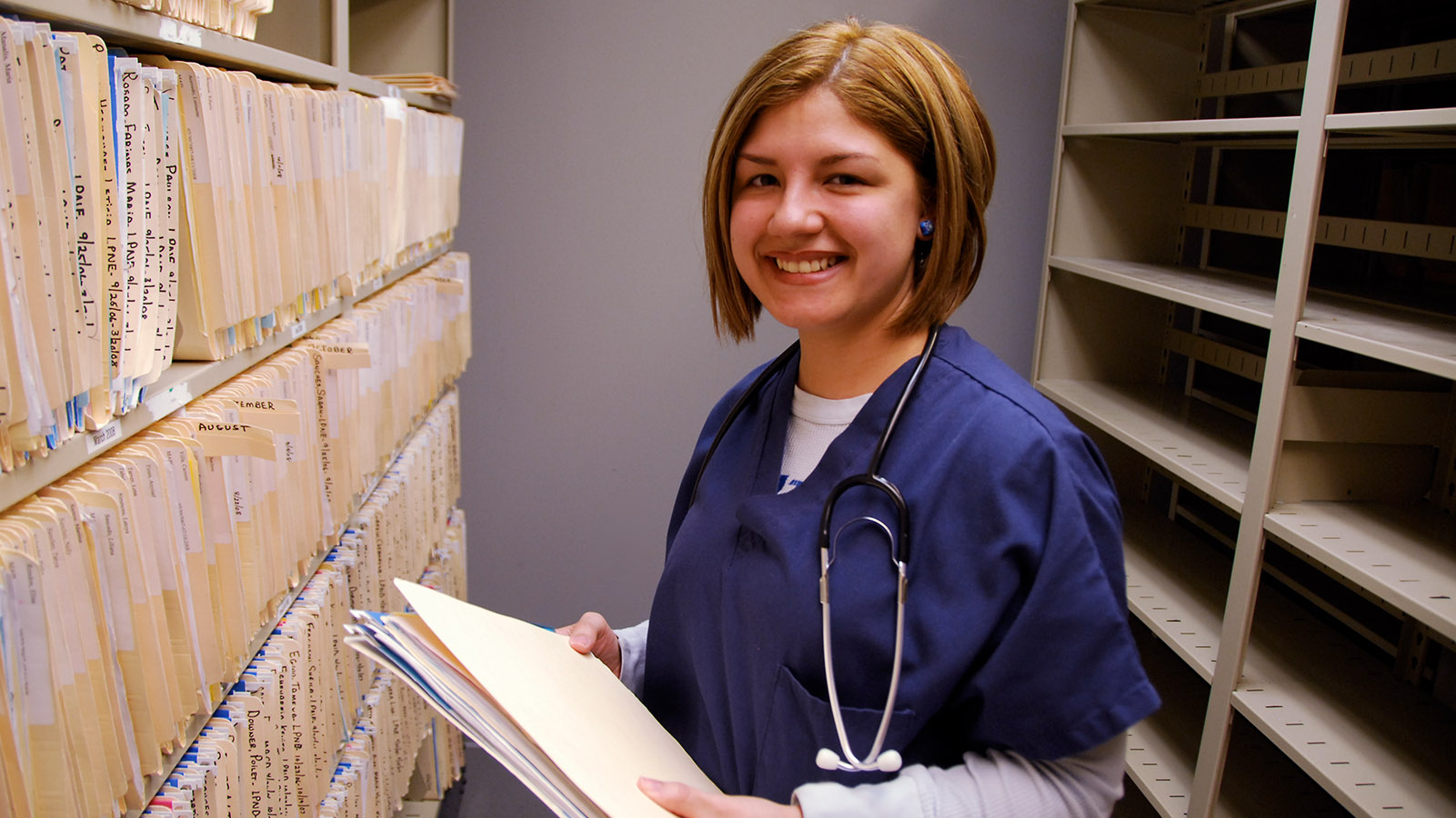 Once you have completed a course in medical billing and coding or have decided you want to look for a job without attempting education, there are numerous places you can look for work. This article provides a guide to landing a billing or coding position.
 Possibly the most important task for a medical biller or coder working in the claims billing process is to send clean claims. Clean claims are error free claims that pass through payer filters without raising flags. Clean claims support a faster collection cycle, reduce denials and avoid unnecessary payer audits.
 Many people new to the medical billing and coding industry believe these two functions are the same thing. In reality, many companies treat the jobs separately, although the skills sets are closely related. This article provides a detailed description of each function and a brief overview about what sort of job opportunities are available to individuals with medical billing and coding experience.
 One of the most important things any medical biller or coder should be aware of is regulations regarding the industry. Laws that govern the healthcare industry can come from the federal, state or local level. In addition to legal issues, billers and coders must also deal with rules imposed by payers, accreditation agencies and their own employer. The volume of regulations can make anyone’s head spin, but it is important to follow all laws. After all, no one really looks good in an orange jump suit!
 All the different medical insurance billing and coding salaries is dependent upon several factors such as one’s instructional training course, work expertise and the particular location where the first is positioned. An experienced and licensed billing and coding professional who may have enough career expertise will probably generate over an expert that has not too long ago set out on the profession.
 When thinking about a career in medical billing and coding, many people limit themselves to hospitals and doctor’s offices. The list below supplies an exhaustive resource on the types of facilities that might hire billers and coders. By opening the field to additional employers, you have a better chance at landing a job you enjoy and that pays well.
 A Google search for medical billing or coding usually results in a list of hundreds of programs offering certification or education for these jobs. Someone looking to get into the medical billing and coding job market may wonder if certification is required or if completion of a training program will help them land a position. This article provides information on whether a training program is necessary, the types of training programs available and what education and experience is necessary to obtain a medical billing or coding job.